

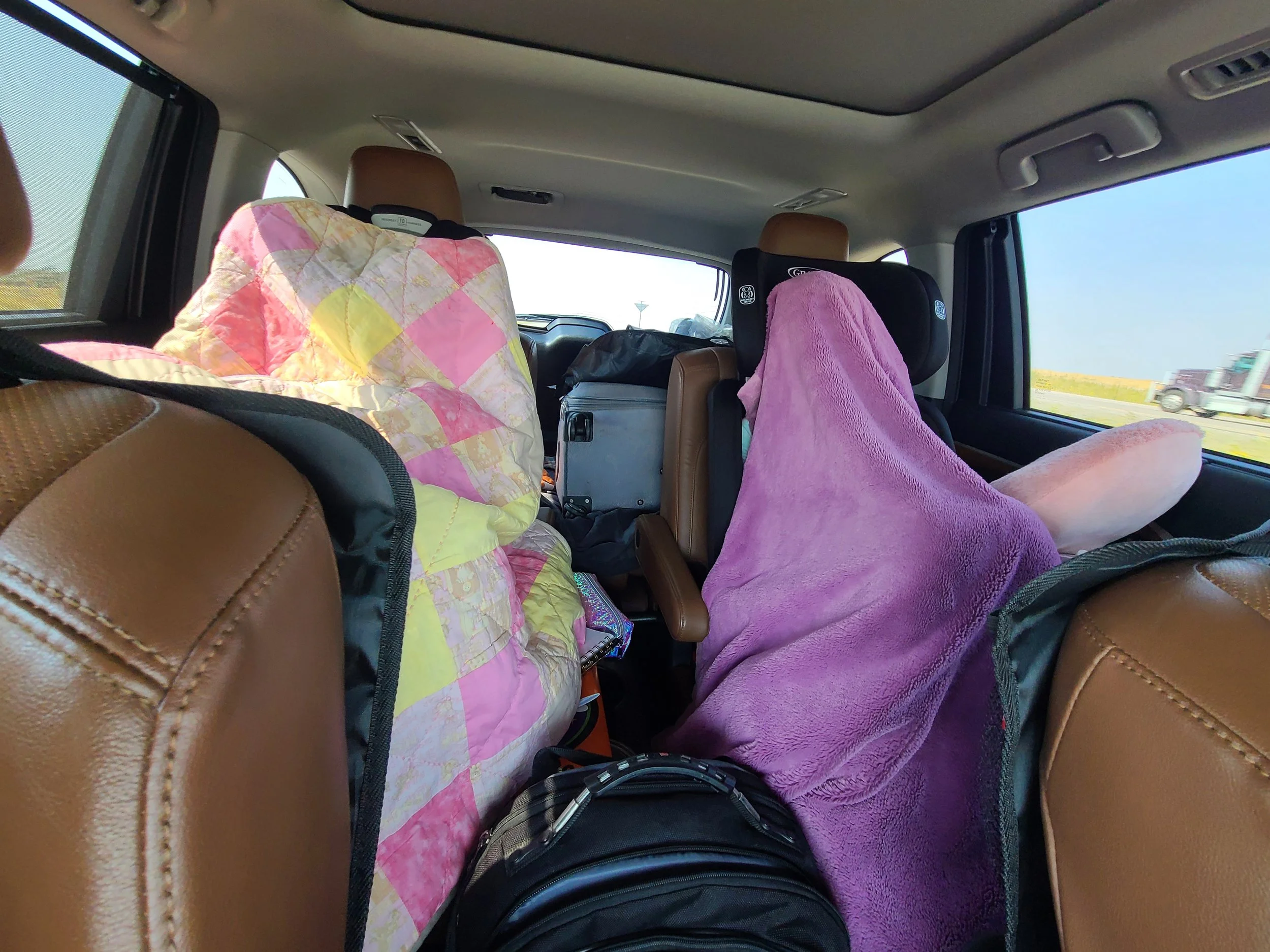
Kids on a family road trip making blanket forts
Road trips with kids can feel like a grand adventure or a test of sheer endurance. The secret? Adjusting your expectations (and your packing list) based on exact developmental stages. What works for a 6-month-old might completely backfire with a 3-year-old.
Whether you’re embarking on your very first drive with a newborn or navigating the teen years, here is my age-by-age survival guide for family road trips.
Newborn (0 - 3 months)
Okay, first of all I just want to say that car travel during this age group is going to be hard no matter what. And it being hard is not a sign that you are doing something wrong. At this point, that baby hasn’t even been alive 200 days so they barely are getting the hang of this whole being human thing. Give ALL of you a LOT of grace. And also make sure you are taking care of yourself.
After having my second baby, my sister was getting married 5 hours from our home. We drove to be there for the wedding when I was 2 weeks postpartum. It was a lot, and I don't regret it one bit, but I learned a ton. Here’s my best advice for this age:
Hand-powered breast pumps are underrated: No plugs, no power concerns, just good old physical labor. If you are new to these, ask your lactation specialist how to size correctly so you get the best use out of it.
Don’t stress bottle feeding: Feeding with a bottle early on won’t ruin your connection, or your nursing journey. We did what we had to do, everyone lived, and I went on to have many long months of successful nursing Do what keeps everyone safe and fed.
Time the initial departure for the baby: Start your drive after a big feed for the baby and a completely dry, clean diaper. This gives you the best chance of a solid nap stretch while everyone in the front seat is still fresh.
Bring the home noise machine: If your baby is used to a specific white noise for sleep, set it up near their car seat. This was soothing to baby while also giving us freedom to chat or listen to music (quietly!) without disturbing baby too much.
Size up the diapers & pack extra clothes: You will need more diapers than you think you will. If they are close to sizing up or you are worried that it's been a bit longer than usual since their last poop, size that diaper up. No one has time for car seat blowouts. A non-negotiable is an extra set of clothes quickly available for baby + caring adults. Spit up surprises are not fun to sit in for hours.
Meticulously plan your route: Down to the gas stops and timing. We once made the mistake of not researching our route well enough and ended up literal hours from the nearest station or town—a potentially dangerous situation with a newborn.
Prioritize postpartum healing: For the birthing parent, please keep in mind that you have potential to still be healing early on and will be tired, need extra time for self care, and car sitting may be not highly advised by your medical professionals. Please speak with your providers before making any sort of trip in early postpartum to ensure your health + baby’s health is looked after.
Evaluate your lodging situation thoroughly: Find somewhere that will be supportive of quiet restorative rest. Also think through the bathroom carefully - standing shower vs tub shower, sink near the toilet for postpartum care, large enough space for a pack-n-play or a large enough bed if you co-sleep, etc. These details really matter during this vulnerable time and can be worth a little more cost to protect your health.
Babies & Young Toddlers (3 months - 18 months
Kids this age still rely on a LOT of physical contact with caregivers and are learning object permanence (meaning if they can’t see you, they don’t think you are still there). They also may not be able to self soothe or self entertain as easily. Expect to be doing a lot of hand holding to help comfort them (literally; pretty sure my arm will never recover from that weird hand-holding angle) .
Car seat mirrors: These give babies a comforting line of sight to you and the moving world. Car seat safety experts have varying opinions on mirrors, so do a quick check on your gear and make the best decision for your family.
The Binky Stash strategy: If your child uses a pacifier, pack a handful. Give them one at a time. When it inevitably gets tossed into the abyss, hand back a fresh one from your stash until you can safely pull over, retrieve, and clean the lost ones.
Soft, interactive toys: Choose small, plush, or pliable items they can safely manipulate in their car seat.
Exercise extreme caution with road snacks: Even if they're eating finger foods, eating in a moving car carries risks. If you must feed them enroute, stick strictly to quick-dissolving items (like Cheerios or baby yogurt melts), keep a watchful eye on them, and be ready to pull over if needed.
Toddlers (18 months - 3 years)
This is the age where our kids really started getting used to the car. Understanding that you're still there even when out of sight makes a world of difference for their independence.
The Single-Toy-at-a-Time rotation: We help pack a small backpack of car toys/activities for our kids during this age so they can have a variety of things to do. I recommend keeping the backpack by you and then getting one thing out at a time. They will play with it until they are bored of it, and then you can give them something else. It helps extend the self entertainment factor, and makes it easier to repeat those toys on the return trip.
Approach car snacks mindfully: Snacking gets easier in the car by this age, but maintain focus on safe food choices and be prepared to stop in an emergency.
Navigating Potty Training on the Road:
Hold off on long trips initially: If possible, avoid long drives during the first two weeks of potty training to let them build confidence at home first.
Use backup protection without guilt: If it is not possible to avoid, it is okay if you feel better just putting on a diaper/pull up for travel. Talk to your kids about this. They are smart. Tell them they are still learning, it’s okay for them to still tell you they have to go, and the diaper will just help catch anything if we can’t find a bathroom in time.
BRING THE SMALL POTTY: Yes, in the car. They can use it in your car pulled over off the road if they need to. We keep ours right below their car seat on the floor and then we can unbuckle, do their business, and get right back on the road.
Bring so many extra clothes for them: It is worth not having to stop and buy something when you know it is likely going to be needed. Also if you can get access to laundry, it will help with the anxiety of wet or soiled clothing.
Manage Hydration: Of course don’t withhold water, but consider holding back juice or other sugary drinks during traveling as these can cause a more active bladder than just water alone.
Preschoolers (3 years - 5 years)
Personally, this has been the best age range for our kids so far with car travel. Transitioning to forward-facing seats, increased patience, and excitement about the journey make a huge difference.
Enforce the "Bathroom Rule": Plan stops roughly every 3 hours. Our mandatory rule is that everyone goes into the bathroom at every stop, even if they claim they don't need to pee. Seeing the toilet almost always prompts them to go, saving you an unscheduled stop 10 minutes later.
Manage the snack requests: Expect snack requests to triple in the car. Try to maintain a reasonable routine, but give yourself grace if they aren't super hungry for actual meals on drive days.
Smart screen setups: If you use screens, load a tablet with age-appropriate shows and locked-down games. Mount the tablet on the back of the headrest in front of them—this protects the device, maintains proper posture, and keeps screen distance safe for young eyes. Set the expectation that when the battery dies, screen time is done!
Audiobooks & Yoto Players: Preschoolers love stories! We bought our kids Yoto Minis and they absolutely love to use them when we travel. They are screen-free, kid-independent, feature headphone jacks, and can even double as a white noise machine at the hotel. You can purchase their prerecorded audiobooks or you can even read your own books for your kids and make a card!
School Age Kids (6 years - 10 years)
As kids grow physically, legroom and personal space become the main focus. Involving them in the logistics helps keep complaints to a minimum.
Give them space & ownership: Ensure they have enough physical room to move around. Let them pick out their own road snacks, pack their entertainment bag, and help choose stops.
Embrace boredom: Don't feel obligated to entertain them every second. Boredom sparks creativity—some of the best games and stories are invented on long, uninterrupted drives.
Family audiobooks & big conversations: This age is fantastic for shared family audiobooks or open-ended discussions. Car rides offer uninterrupted time to talk through the curious, nuanced topics they are beginning to wonder about.
Tweens & Teens (11+ years)
Logistically, traveling with older kids gets smoother and smoother. While they still need space and downtime, their ability to help and engage makes for a really fun dynamic.
Get their buy-in: Involve them in the actual itinerary. Let them research roadside stops, take turns curating the car playlist, choose restaurants, or navigate using the GPS.
Focus on connection: At this stage, road trips are less about managing tantrums and more about building family memories. Giving them autonomy over their snacks, comfort, and entertainment builds excitement and keeps the mood positive.
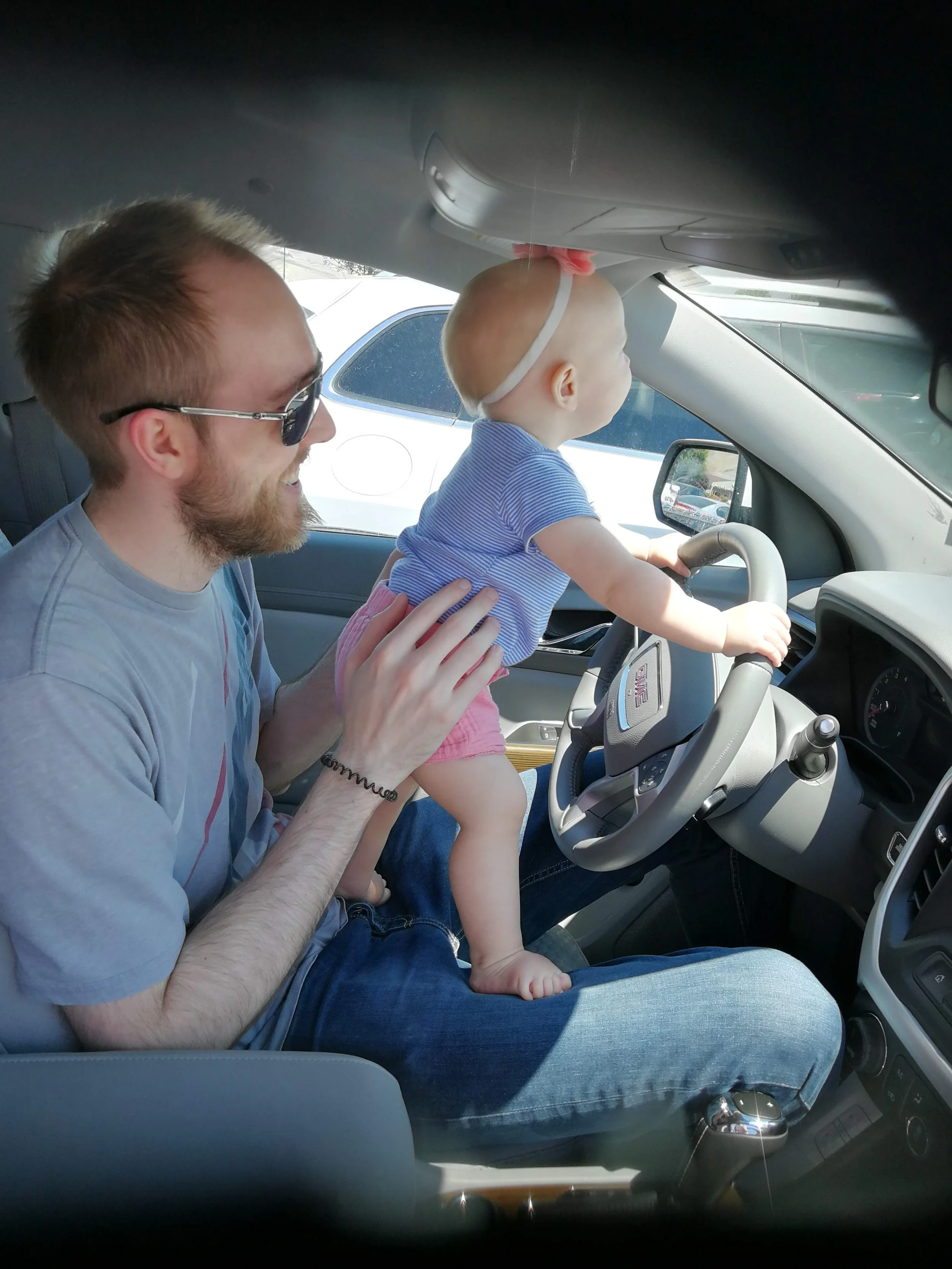


Overall Reflections on Road Trips with Kids
Every phase of parenting brings a whole new rhythm to the open road—the hard parts shift, but so do the magical ones. The key is leaning into whatever stage you’re in, staying flexible, and keeping the snacks within arms reach.